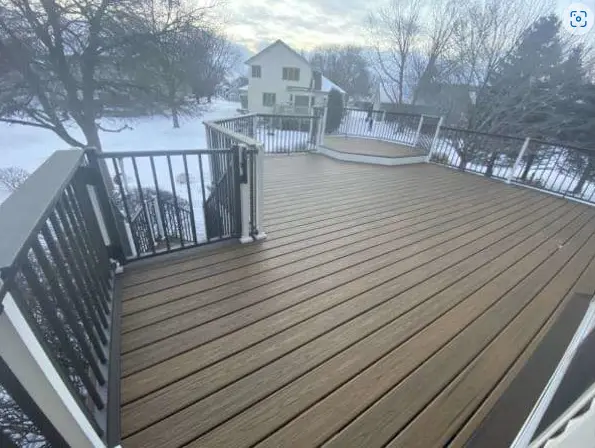
Signs Your Deck Needs Replacement After a Minnesota Winter
A Minnesota winter is the ultimate test of an outdoor structure’s durability. While a deck may appear firm and reliable in October, the spring melt often reveals a very different reality. The combination of heavy snow piles, relentless freeze-thaw cycles, and trapped moisture works to gradually compromise both the appearance and the structural integrity of even the most well-maintained decks. Understanding the warning signs of winter damage is essential for acting before a minor inconvenience turns into a significant safety threat.
Widespread Wood Degradation and Rot
One of the most immediate signs of trouble is the appearance of bare wood as the snow recedes. In Minnesota’s climate, moisture leaches into the wood during warmer winter days and freezes at night, causing the fibers to expand and contract until they weaken.
- Surface Damage: Boards that exhibit widespread cracking, splitting, or warping across a large area often point to deep-rooted issues within the wood.
- Soft Spots: Stepping onto spongy or unstable areas at the start of spring is a telltale sign that moisture has deeply penetrated the material.
- The Screwdriver Test: If a screwdriver can easily penetrate boards or joists, the wood has likely rotted and should be replaced.
- Cumulative Damage: Structural rot does not reverse itself; once it begins, it propagates faster than many homeowners anticipate. While a single broken board might be repairable, widespread splintering and lumpy, uneven planking usually indicate rot throughout the entire structure.
Compromised Railings and Stairs
Safety elements like railings and stairs often bear the brunt of winter’s severity.
- Railings: Minnesota building codes require railings to withstand specific levels of force, but winter weather can subtly sabotage this security. Frost can dislodge posts, and ice buildup puts immense stress on connections that were not designed to bend. Wobbly or unsteady railings are more than an inconvenience; they are a liability, especially in homes with children, guests, or elderly relatives.
- Stairs: Deck stairs are subjected to constant snow removal, foot traffic, and harsh ice-melting chemicals. Treads can become uneven, and stair bases may sink due to the ground shifting underneath. If stairs no longer feel level or secure, it is a strong indication that the underlying support structure of the deck is failing. While replacing individual steps might provide a temporary fix, repeated movement suggests the deck has reached the end of its lifespan.
Structural Movement and Frost Heave
A stable deck should never feel bouncy or move excessively.
- Bounciness: Over-flexing under normal weight indicates that the joists, beams, or footings are no longer functioning correctly.
- Frost Heave: Seasonal ground movement, known as frost heave, is common in Minnesota. This can cause the entire deck to shift if the footings are not deep enough or have worn out over time. Once this cycle of movement begins, the situation typically cannot be improved without a drastic structural change.
Failure of Fasteners and Connectors
The hardware holding your deck together is just as vulnerable as the wood.
- Corrosion: Rusted nails, corroded screws, and decaying metal brackets are often just the visible portion of a larger problem.
- Chemical Impact: Moisture combined with road salt and de-icing chemicals accelerates corrosion, particularly in older decks built before modern, weather-resistant hardware was standard.
- Weight Capacity: When metal structures fail, the load-bearing capacity of the deck is severely diminished. If fasteners are working their way out of the wood or are heavily corroded, a full replacement is often more sensible than making small patches.
The Reality of Aging Structures
Decks built more than two decades ago were often not constructed to meet modern weather conditions or current construction requirements. Methods for spacing and fastening have evolved, meaning many older decks no longer meet present safety standards. When these structures reach a certain age, surface repairs or new stains cannot hide the underlying wear. Widespread discoloration and peeling finishes that recur every spring are signs that the wood beneath the coating is degrading, regardless of how many times it is refinished.
Market Value and Professional Assessment
Spring is often when homeowners consider selling or refinancing, and a visually defective or elderly deck can be a significant cause for alarm during a home examination. Secure and well-maintained outdoor living spaces are major selling features in the Minnesota real estate market, but winter-damaged decks can decrease buyer confidence and bargaining power.
Because damage is often cumulative and structural failures can exist even if the deck appears serviceable, a professional assessment is invaluable. A trained eye can distinguish between superficial wear and critical structural failure, potentially saving homeowners unnecessary costs while prioritizing security. Local experts, such as
Stumpy’s Deck Renewal, Inc., understand the specific impact of Minnesota’s frost depth and snow loads. They can observe winter-inflicted damage and suggest realistic, long-lasting solutions—whether that involves specific renewal or a complete replacement.
Minneapolis winters are unforgiving, and a deck at the end of its lifespan will not fix itself. By addressing these issues early, you can avoid accidents, protect your property value, and ensure your outdoor space remains a place of fun rather than worry.